Tuesday, October 19, 2010
I am BACK
Sunday, May 06, 2007
Lasang Pinoy 17: Egg Roll
I remember when I was a child; my grandmother had a concoction made from egg and sarsaparilla. She always prepared it for me because according to her this will strengthen my body resistance. She chose native chicken eggs because it’s more nutritious than the regular white chicken eggs. I love recipes with eggs, even if it’s quail eggs, chicken eggs, and even duck eggs.
My entry for this month’s LP event is a recipe with no name (lol). I will just name this as “egg roll.” I tasted this recipe way back 1995 from my friend’s wedding reception; her aunt cooked this recipe. I called up my friend to ask her if she knows the ingredients and the preparation of this recipe. But she informed me that she doesn’t know and the only thing that she remembered was that her aunt uses mince meat to cover the egg. So I experimented on this recipe according to my taste.
Ingredients:
6 hard boiled eggs
½ kilo ground pork
½ cup carrots, diced
1/3 cup Chinese celery or kinchay, chopped
1 egg, beaten
Salt and pepper
Flour
Bread crumbs
1 egg, beaten
Procedures:
- Mix ground pork, carrots, kinchay, and 1 beaten egg, season with salt and pepper.
- Wrap the hard boiled egg with the meat mixture and form like a ball.
- Dip egg covered with meat mixture in flour, then dip in beaten egg and roll in breadcrumbs.
- Deep-fry until cooked through and drain in paper towels.
Sunday, April 22, 2007
Chicken Roll
This recipe is one of my Aunt Thelma’s favourites. I always find it in her menu every time we have family gatherings. She taught me the procedure to cook chicken roll. I learned that some called this recipe Cordon Bleu.
Ingredients:
½ kilo chicken breast fillets
Flour
1 egg beaten
Bread crumbs
Salt and pepper
4 slices sweet ham
4 slices cheddar cheese
Procedure:
Wednesday, April 04, 2007
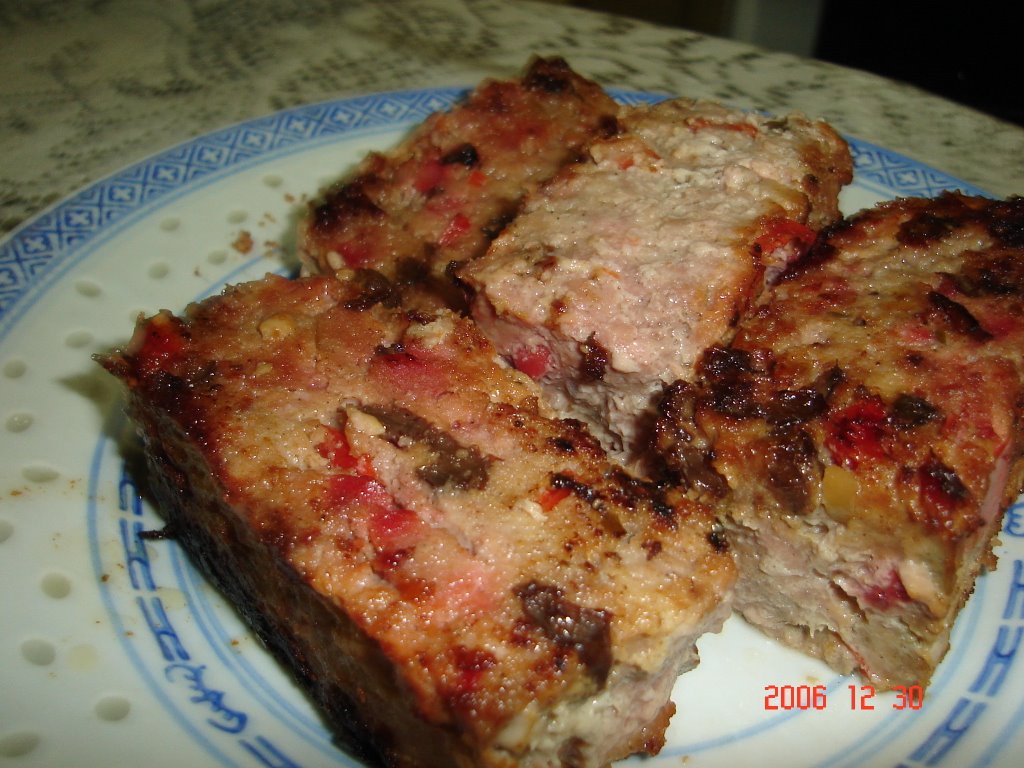
Embutido

After a long absence because of some computer problems, here I am again posting this embutido picture. I got the recipe from Iska and tita C. Thank you for sharing this delicious recipe. You will notice that it's not a round embutido but a square one, I used a loaf fan because I ran out of supply of aluminum foil (lol).
Monday, January 29, 2007
Chopsuey and Banana Choco Chips Cupcake
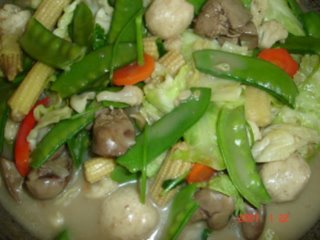
This is my version of Chopsuey.

Chopsuey
2 tablespoons cooking oil
1 medium onion, sliced
1 tablespoon crushed garlic
¼ kilo chicken liver
½ cups chicken balls
1 medium carrot, sliced diagonally 1-inch thick
1 small head cauliflower, cut into florets
1 ½ cups trimmed snow peas
1 small head cabbage, cubed
1 cup young corn
1 red bell pepper, strips
½ cup kinchay
1 pouch Mushroom soup mix dissolved in 1 cup water
3 tablespoons soy sauce
½ teaspoon pepper
In a wok, heat cooking oil and sauté onions until transparent. Add garlic and sauté until light brown. Add chicken liver and chicken balls and sauté until cook and brown.
Stir in carrots. Cook, stirring occasionally, for about one minute. Add cauliflower, snow peas, young corn, bell pepper, kinchay and cabbage. Simmer for 2 minutes. Stir in dissolved mushroom soup mix, soy sauce and pepper. Cook until sauce thickens slightly and vegetables are tender crisp.
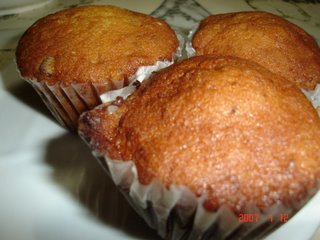
I love the taste of banana in cakes and pastries. So I was so happy when I saw this recipe from www.mygreatfood.com which is a San Miguel Foods Corporation website.

Banana Choco Chips Cupcake
2 2/3 cups all purpose flour
2 tsp. baking soda
¼ tsp. salt
1 cup Magnolia Gold Butter
1 1/3 cups sugar
3 pieces eggs
1 cup full cream milk
1 tsp. calamansi juice
1 tsp. vanilla
1 cup mashed ripe bananas
1 cup chocolate chips
1. Preheat oven to 350°F. Line muffin pans with paper cups. Set aside.
2. Sift together flour, baking soda and salt. Set aside.
3. Combine milk, calamansi and vanilla.
4. In a mixing bowl, cream butter and sugar until light and fluffy. Add eggs one at a time beating well after each addition. Add alternately the dry ingredients and milk mixture until smooth. Add bananas and chocolate chips and blend well.
5. Pour into muffin pans and bake for 30 minutes.
Wednesday, December 27, 2006
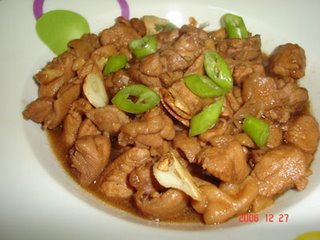
Chicken Salpicao
I ordered ½ kilo of Chicken Menudo Cut so that I can try the Chicken Salpicao recipe written in the leaflet. The nicest thing about buying chicken from this station is that you can get what cut or part you really want from the fowl. You can buy boneless chicken breast, lumpia mix, pulutan mix, chicken barbecue, boneless menudo cut, etc. Although it is a little expensive when you buy chicken from this outlet but what’s important is that you’re paying for convenience and the high quality of the product you are buying. They guarantee also that their products are safe to eat and clean.
This recipe is a little spicy, but you can adjust the ingredients according to your preference.

Ingredients:
½ kg MAGNOLIA CHICKEN MENUDO CUT
2 tbsp hot sauce
3 tbsp liquid seasoning
3 tbsp Worcestershire sauce
1 tsp ground black pepper
1 tbsp cooking oil
2 tbsp butter
1 tbsp garlic, thinly sliced
1/3 cup minced garlic
1 pc finger pepper (siling haba), seeded and sliced diagonally (optional)
1 tbsp chopped parsley (optional), for garnish
Procedures:
Marinate Chicken menudo cut in hot sauce, liquid seasoning, Worcestershire sauce and ground black pepper for about 5 minutes. Heat oil in pan. Saute 1 tbsp of garlic over moderate heat until golden brown. Remove garlic and set aside. In the same pan, melt butter and sauté the 1/3 cup minced garlic moderate heat until fragrant. Drain chicken from marinade and set aside. In the same pan, add chicken and continue sautéing over high heat until chicken turns brown. Immediately add marinade. Let simmer for a minute. Continue cooking until sauce reduces. Remove from heat and add finger pepper. Mix well. Transfer to sizzling plate or serving platter. Sprinkle with chopped parsley and fried garlic.
Monday, November 20, 2006
Homemade Pork and Beans
As I was browsing my old issue of Good Housekeeping magazine, I saw this home-made pork and beans recipe. It is a very easy recipe.

Ingredients:
½ kilo white beans (Great northern or navy beans)
1 tablespoon corn oil
3 cloves garlic, minced
1 medium sized onion, chopped finely
½ kilo pork belly or liempo, sliced ½” thick
2 teaspoons soy sauce
1 ½ to 2 cups water
½ cup tomato catsup
¼ cup corn oil
1 ½ teaspoons salt
3 tablespoons sugar
2 tablespoons cornstarch, dispersed in 1 tablespoon water
Procedure:
Soak the beans in enough water overnight. Drain and rinse. In a saucepan, heat oil then sauté garlic and onions. Add sliced pork and cook until brown. Add soy sauce and water. Add the beans and cook covered until tender. You can also do this in a pressure cooker. Add catsup, oil, salt, and sugar. Stir carefully to prevent beans from getting mashed. Thicken sauce with dispersed cornstarch. Cook 1 minute more.
You’ll never buy canned pork and beans after trying this simple recipe. Believe me, it tastes good.
Friday, November 17, 2006
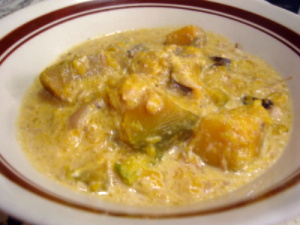
Lasang Pinoy 15: Guinataang Kalabasa (Squash with Coconut Milk)
I grew up in an animal-lover family. We had many cats and dogs as pet, and we even had chicken and pigs in our backyard. So left-over foods had no place in our refrigerator, it belonged to the tummy of our pets.
When I got married, we lived separately from our family. Even if I really want to have a pet in our house, it isn’t allowed in the place we live in. Early on in our marriage, I usually threw left-over food in the trash can. The only left-over food then that I re-create into another dish is lechon, turning it into paksiw na lechon. As I learned the science of being a true homemaker, I learned ways to create dishes using left-over foods. I observed my cousin adding fish in his hamburger recipe. So, I started using flaked fried fish in many different dishes. I mix it with ground beef or pork to make lumpiang shanghai, sweet and sour meatballs, or torta. I also use left-over fried or grilled fish in my dinengdeng or pinakbet recipe.
Instead of using crab or shrimp, I used flaked fried fish for my guinataang kalabasa recipe which is my contribution for LP 15.

Ingredients:
2 cups cubed squash
1 tbsp. crushed garlic
1 onion, chopped
2 green chillies
1 cup coconut milk
½ cup flaked fried fish (boneless)
1 tbsp. shrimp paste
Procedure:
In a pan, sauté garlic and onion, add green chillies, flaked fried fish and shrimp paste. Add the coconut milk and squash. Simmer until the squash is cooked (actually, I overcooked the squash)
Thank you Mang Mike for hosting LP 15 and for waiting for my late entry.
Tuesday, October 10, 2006
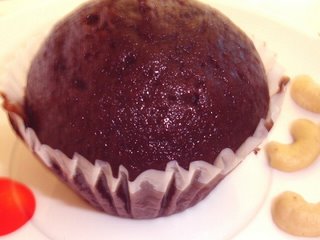
Chocolate Cupcakes
I got my chocolate cupcake recipe from Good Housekeeping magazine (Philippine edition). But I find it a little dry. I want my cupcakes moist and a little spongey so I changed some of the ingredients and suit it for my taste.

Ingredients:
2 cups all purpose flour
1 ½ cups refined sugar
2/3 cup cocoa
2 tsp. baking powder
½ tsp baking soda
½ tsp salt
1/3 cup butter
1/3 cup canola oil
2 eggs
1 cup milk
½ cup hot water
2 tsp. vanilla extract
cashew or walnuts (optional)
Procedure:
Line muffin pans with paper bake cups. Stir together all purpose flour, refined sugar, cocoa, baking powder, baking soda and salt. I usually sift dry ingredients thrice. Add the butter, canola oil, milk, hot water and vanilla extract. Beat with mixer on low speed for 1 minute. Continue beating until smooth. Fill cups ½ full with batter. In on oven preheated to 350°F bake 15-20 minutes until center of cupcake springs back when touched lightly. Remove from pan to wire rack. Cool completely.
The original recipe calls for 2/3 cup butter, and I changed it to the mixture of 1/3 cup butter and 1/3 cup canola oil. Good Housekeeping recipe also calls for 2/3 cup milk but I also changed it to 1 cup instead. I also add cashew nuts or walnuts.
Sunday, October 01, 2006
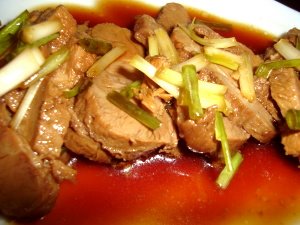
Lasang Pinoy 14: Asado

This month’s theme for Lasang Pinoy entitled A La Espanyola is about Spanish influence in Filipino cuisine. The strongest culinary influence is from Spain which ruled the Philippines for almost 400 years. Food historians claim that 80 per cent of Philippine dishes are of Spanish origin. Because the Spaniards formed the elite, dishes adapted by upper-class Filipinos were also Spanish-inspired. In our house, we usually prepare relleno, paella, morcon, and callos whenever we have parties and/or celebrations.
The usual technique of sautéing tomatoes, garlic and onions with olive oil was introduced by the Spaniards (according to some famous chefs, good quality olive oil comes from Spain). Add to that, as in popular baked good and desserts like Pan de Sal (a crusty dinner roll), Flan (an egg custard), Ensaymada (cheese buns), rice dishes as in Arroz Valenciana or Arroz Con Pollo, etc. Most Spanish recipes had been modified to accommodate what ingredients were readily available in our country Thus, the emergence of a cuisine Filipinos called their own, adapted to their tastes. Even our favorite adobo shows Mexican and Spanish influences but with regional variations.
Spanish-influenced dishes are usually part of my weekly menu. I love to cook caldereta, mechado, embutido, and afritada. Asado is one of my favourites so I asked my aunt to give me her asado recipe. In Spain, asado means “cooked in the oven.” But my aunt’s version of asado recipe is very Filipino. The meat should be cooked in a very low fire until tender. This is my first time to cook this dish and it tastes good. The taste of our Filipino asado resembles that of our paksiw na pata.

Ingredients:
800 gms. pork (kasim or porkloin, whole)
1/3 cup water
1/3 cup soysauce
1/3 cup sugar
Salt
Pepper
Bay leaf
Spring onion
Procedure:
1. Sliced the pork thinly.
2. Mix the water, sugar and soy sauce in a large frying pan. Add salt and pepper. And the bay leaf and bring it up to medium high heat.
3. Lay pork pieces in the sauce, cover and cook on low heat. Cook for 10-15 minutes and flip the pork, cooking an additional 10-15 minutes until the meat is tender.
4. Remove the bay leaf before serving. Drizzle the sauce over the pork and sprinkle with spring onion.
I would like to thank Purple Girl for hosting this month's LP.
Tuesday, September 12, 2006
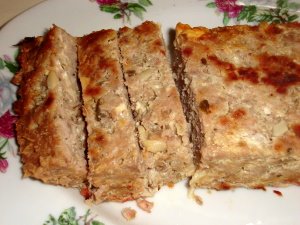
Meatloaf Embotido
I make it a point to serve rice for breakfast. Having a full breakfast meal makes us more energetic and alert in the morning. I should prepare viands for breakfast different from our lunch and dinner food. I also consider the preparation time when I’m cooking our early morning food. I don’t want to feed my family processed and canned foods always because these are not good for our health.
Ground meat is the main ingredient in many traditional dishes from almost every culture. I always choose lean ground meat for cooking. I know that there are recipes which benefited from slightly higher fat contents, but still I want lean mince.
We can cook embotido, meat loaf, relleno, galantina, longganiza, and others from mince. I have many embotido and meat loaf recipes but I didn’t have the complete ingredients for embotido and also for the meat loaf when I cooked this food so I just combined what was available in my fridge and pantry to come out with this dish. I called this dish meatloaf embotido (lol) which tastes like longganiza (according to my son).
Ingredients:
½ kilo ground lean pork
1 bulb garlic, crushed
1 large egg
100 gm grated cheese
½ tbsp. sweet pickle relish
¼ cup bread crumbs
salt and pepper to taste
Procedure:
Combine all ingredients. Grease 1 standard-sided loaf pan. Bake at 220°C for 50 minutes. Serve with catsup or gravy.
Sunday, September 03, 2006
my EMPANADA adventure

Empanada is one of my favourite foods. I usually go to Joni’s cake house when I was younger to buy empanada. I also tried Red Ribbon’s empanada, Empanada Royale and Jamaican pies. I love the crispiness of the Jamaican pies. And before I forget, Ilocos empanada is on my list, too.
I read Connie and tita Celia’s entry in their blogs on how to cook empanada. They unselfishly shared their recipe and expertise. I’m really inspired by their entries to try cooking empanadas. Last Monday, I succeeded in cooking this. I combined the knowledge I learned from Connie and tita Celia.
Actually, at first I was hesitant to make the dough/crust. I asked some foodies where I can buy ready-rolled puff pastry. Many told me that I can find it at Santi’s Deli. I called up Santi’s Deli and I was shocked to learn that it’s very expensive. So, I told myself, “hey Lani, you can make the pie crust from scratch, come on try it.”
I admitted that I almost surrender making the crust. It was so hard for me. I don’t have a large working space in my kitchen to roll the pin and flatten the dough. The mess I created in my kitchen was really unbelievable (lol). But when I tasted the cooked empanada, I was very satisfied. I got the right crispiness of the crust and the filling was very tasty (I used ground pork and ground chicken). And the nice thing was even if I put it in the fridge for storing, the crust didn't lose its crispiness (yipeee). My hubby and my son loved it so much.
Ok, do you want to know if I will make/cook empanada again? My answer is Y-E-S. As long as my family loves what I cook, I will always do it for them.
Tuesday, August 22, 2006
Lasang Pinoy: Unang Annibersaryo
Napakabilis ng panahon, isang taon na pala ang Lasang Pinoy. Isang grupo ng mga Pinoy sa web na nagtipon-tipon upang bigyang halaga ang mga putaheng Pilipino. Sa loob ng isang taong pagkakaibigan at pagbibigayan ay naipahayag ng bawa't isa ang malaking pagmamalaki sa mga putaheng nagpapakita ng ating kultura bilang mga Pilipino.
Sa paggunita ng aming anibersaryo ay isinulat ko ang aking kontribusyon sa wikang Tagalog. Minarapat ni Stef na gawing paksa ng Lasang Pinoy ngayong buwan ng Agosto ang mga pagkaing nagpapakilala ng ating pagiging Pilipino. Mga putaheng sa amoy pa lamang ay alam mo ng pinoy na pinoy ito. Mga pagkaing iyong ipagmamalaking ihanda sa mga tao na hindi pa pamilyar sa mga pagkaing Pilipino. Kung ikaw naman ay nasa ibayong dagat, ito ang mga pagkaing iyong kinasasabikan at nagbabalik alaala sa iyong Inang Bayan.
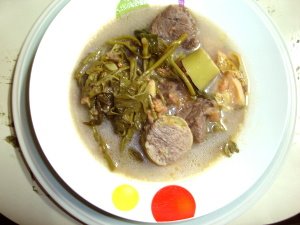
Sa buwang ito ay nais kong ibahagi ang dalawa sa mga paborito kong pagkain. Ito ay ang sinigang na baka sa bayabas at inihaw na bangus.
Tubong San Ildefonso, Bulacan ang aking lola subalit hindi namin nakagisnan na magpunta sa San Ildefonso. Sa Sibul, San Miguel, Bulacan naroon ang malaking alaala ng mga tag-araw ng aking kabataan. Sa Sibul nagkaroon ng 2 ektaryang mahigit na lupa ang aking lolo. Doon kami laging nagbabakasyon. Doon ko natutunan ang pag-aani ng mani at pamimitas ng kamatis, talong, sitaw at okra. Maraming puno ng prutas tulad ng camatsile, bayabas, at kaimito ang inaakyat naming magkakapatid. Sa malinis na bukal kami naliligo, damang-dama ko pa ang lamig ng tubig na lumalabas sa gilid ng mga bundok. Kay sarap ng mga pagkaing inihahain ng kasama ng lolo ko sa lupa. Merong sinampalukang manok, corn soup, prito o inihaw na hito/dalag bukid, sariwang gatas ng kalabaw, native na itlog. Kapag nagpapatay ng baka ay iniihaw ito at ang ibang parte ay ginagawang sinigang sa bayabas. Dito ko natutunan ang pagluluto nito. Mula pa lang sa pagpitas ng hinog na bayabas ay aliw na aliw na ako. Napakabango ng amoy ng hinog na bayabas. Kinukuha rin namin ang ginagamit na mga sangkap sa mga tanim na nasa bukid katulad ng sili, talbos ng kamote, at puso ng saging. Lasang-lasa ang tamis ng sariwang gulay at prutas.
Habang niluluto ko ang sinigang na ito ay punong-puno ng amoy ng bayabas ang aming bahay. Pati nga mga kapitbahay ko ay alam na alam ang ulam namin. Ipagmamalaki kong ihanda ito sa aking magiging bisita na hindi sanay sa pagkain ng ating putahe. Alam kong magugustuhan nila ito, ang naghahalong asim at tamis ng bayabas ang nagbibigay ng kakaibang lasa sa putaheng ito.

Katerno ng sinigang ay ihahanda ko rin ang inihaw na bangus na may palamang sibuyas at kamatis. At siempre may sawsawang kalamansi at patis. Kung mapapansin natin, laging may katernong sawsawan ang ating mga pagkain, nakasanayan natin ito.

Ang pagiging pinoy ay nasa puso, isip, salita at sa gawa. Narito man tayo sa Pilipinas o nasa malayong bayan ay maipagmamalaki natin ang ating pagka-Pilipino. Kaya halina na, kumain tayo ng masarap na putaheng sariling atin. Maligayang kaarawan, mga katoto!!!
Salamat din sa iyo, Stef sa pagho-host ng ating Lasang Pinoy.
Sinigang na baka sa bayabas
Mga sangkap:
1 kilo baka
1/2 kilo hinog na bayabas
4 kamatis
2 puso ng saging
siling pansigang
4 tali talbos ng kamote
asin
Paraan:
1. Palambutin ang baka.
2. Ilagay ang kamatis, bayabas, at sili. Pakuluan hanggang sa maluto ang bayabas at kamatis.
3. Ilagay ang puso ng saging at timplahan ng asin.
4. Pagkaraan ng 5 minuto ay ilagay na ang talbos ng kamote, patayin ang apoy at takpan ang
kaldero.
Monday, July 31, 2006
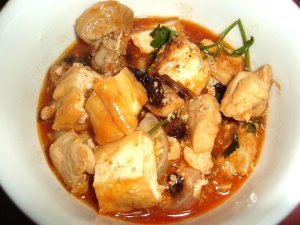
Tofu and Pork with Black Beans
Aside from pairing tofu and pork with congee, I also have this recipe using the two ingredients. And this I want to share with you.

Ingredients:
500 grams pork, cubed (preferably kasim or porkloin)
1 block tofu, fried and cubed
1 cup pork broth
garlic, crushed
onion, diced
ginger, stripped
1/2 c black beans
1 115 g. tomato sauce
kinchay
salt and pepper to taste
Procedure:
Boil pork until tender, reserve the broth. Saute ginger, garlic, onion and black beans. Add the pork, tomato sauce and pork broth. Simmer for 12 minutes. Add the tofu, season with salt and pepper, simmer for 3 minutes. Add the kinchay and simmer for another 2 minutes.
Saturday, July 22, 2006
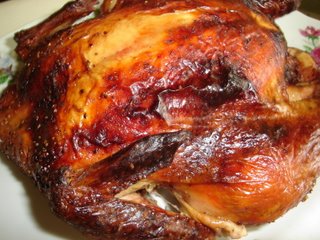
Roast Chicken

Roast Chicken
whole chicken
1 whole head of garlic, minced
2-3 tbsp dried oregano, finely chopped
2 tbsp. salt
2 tbsp. pepper
1 tbsp. paprika
2 tbsp. oil
juice from 1 lemon
Marinate the whole chicken in all of the above ingredients (best to marinate it overnight). Put chicken into roasting tin or pyrex dish and roast for an hour or so on 400 degrees Farenheit oven. I roasted it for 1 1/2 hours because I like the skin to be a little crispy.
Tip: How to tell if the chicken is cook already? Prick the part between thigh and breast and if clear juices come out it's cooked.
Friday, July 21, 2006
Lasang Pinoy 12: Pinoy Pizza

Fusion is the topic of this month’s Lasang Pinoy event which is hosted by Ces. According to Encarta Dictionary fusion food is food with international influences: a style of cooking that uses ingredients and techniques from around the world, especially one that combines Eastern and Western influences.
Globalization plays an important role in the evolution of Filipino fusion cuisine. High-paying jobs overseas lure many Filipinos away from the Philippines. I can say that there’s nothing wrong with migration because it improves lives of our countrymen. Immigrants to a country bring in their culture traits and some kind of exchange of cultural characteristics will ensue.
Many pinoy fusion cuisines were created out of sheer desire of our “kababayans” to bring with them the taste of food back home. Not all local ingredients can be found in other countries, that’s why Filipinos substitute the ingredients which are available in their host country just to satisfy their longing for pinoy food. And from that Filipino ingenuity, I think pinoy fusion foods were born. In London, they used English leeks and lemons for their sinigang because our souring agents like kamias (bilimbi), sampaloc or santol are not available there.
With regards to Cendrillon (although I haven’t yet been to NY), they offer fusion cuisine not only for Filipino palates but also because they want to capture the taste of other nationalities.
For this LP event, I chose Pinoy Pizza as my entry. Filipinos love to eat pizza, that’s why there are many pizza parlors here in the country and also some restaurants here are offering different kinds of pizza.
According to Wikipedia, in its original form, a pizza is an oven-baked, flat, usually circular bread covered with tomato sauce and cheese with optional toppings. The cheese is usually mozzarella, or sometimes mixture of several cheeses such as parmesan, romano, and ricotta. Various other toppings may be added.
The etymology of the word pizza is disputed. The form pizza first appears in Naples in 16th century. Pizzo, which means point in Italian, may have been an influence.
Our family loves pizza. Well, I would say that not all day can we afford to buy pizza at Yellow Cab, Shakeys, Don Henricos, CPK or Pizza Hut that’s why I always make it a point to find some way to serve it to my family without spending too much. Like Lumen in the Surf detergent soap commercial, I’m also a wais (wise) mom.

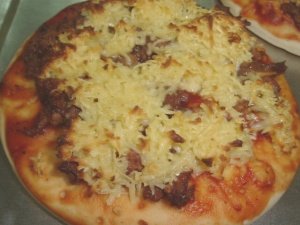
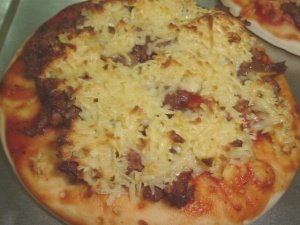
This is my version of pinoy pizza. I used sisig, diced onion and cheese as toppings. You can also use pork or chicken adobo as topping.


Here's my recipe:
Ingredients:
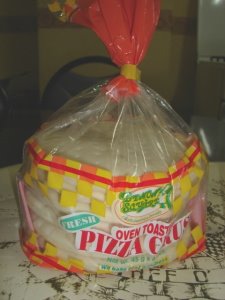
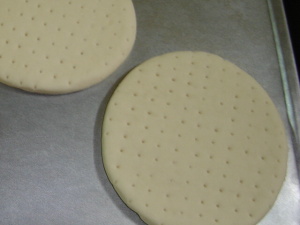
6 (individual size) pizza crust (store-bought)
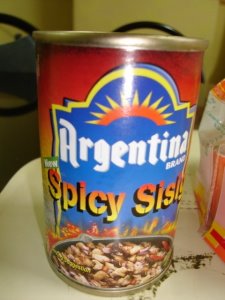
1 can sisig (either Argentina or Purefoods)
2 onions, diced
cheese, grated
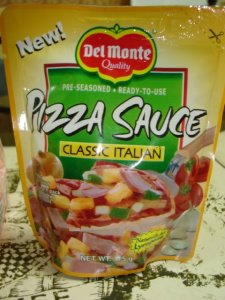
1 small pouch Del Monte Pizza Sauce (Italian Style)
Procedure:
Preheat oven to 400 degrees Fahrenheit. Spread a layer of cheese on the dough before brushing with the sauce (this makes for a crispier crust). After putting the sauce, add the toppings then put more cheese if desired. Bake for 10 minutes or until cheese melted.
Note: I was listening to GMA's grandstanding (ngek SONA pala) while cooking this.
Thursday, June 29, 2006
Lasang Pinoy 11: SUMMERTIME

I always remember my summer days spent in Sibul, San Miguel, Bulacan. My grandparents from my father’s side purchased a parcel of agricultural land there. It was our vacation house. A small spring was located in our land. There, we got our water supply for drinking, cooking, taking a bath, etc. The water was very clean and we didn’t experience stomach upset drinking spring water.
I remember the food being served by my lolo’s kasama. Every morning we always had fresh carabao’s milk poured in very hot cooked rice. My brother always seasoned it with sugar but I preferred salt. They also served us crispy fried small bulig and/or hito which they got from the rice field. As dipping for the fried fish, they boiled young tamarind fruits and mashed it. The desserts were either fresh watermelon or pastillas de leche. San Miguel Bulacan is very famous for their pastillas. They are using fresh carabao’s milk in making this.
For lunch, we usually had sinampalukang native chicken or native chicken adobo. The corn soup they prepared was also very tasty. What they used for the soup were native corns they planted.
I also loved the taste of boiled native corn. So sweet, soft and delicious, and they also called it lagkitan because it was sticky.

I also remember the camatsile trees; I can say that the fruit was big and so sweet. I never tasted sweet camatsile here in Manila. At night, we always had a game with my siblings. We took out the black covering of the camatsile seeds, the first one to finish 10 camatsile seeds without showing the white flesh just only the brown covering of the seeds was the winner.
That time there was no electricity in Sibul. We used gas lamp or coleman. And the trees outside the house were full of flying fireflies. What a sight to behold. There were no mosquitoes there.
Unfortunately, when my grandfather died, his children sold the land. So now what remains of this land are only memories.
Thanks for hosting our LP 11, JMom.
Thursday, May 25, 2006
Lasang Pinoy 10: Food Memories from Childhood

Cocinero of Buhay Cocinero hosted this Lasang Pinoy event for May. It is all about the food we enjoyed eating during our childhood.
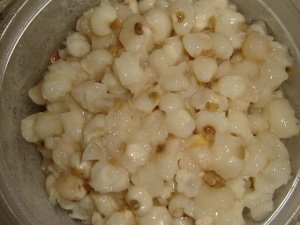
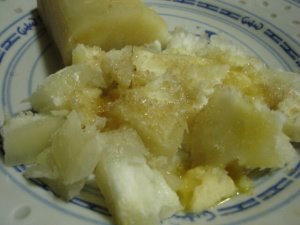
I would say that I'm a Marcos baby. Being born a year after Marcos assumed the presidency. I was 6 years old when Marcos declared Martial Law. My middle childhood years were spent outside our house. It was still safe then to let the children play outside. In the afternoon around 4pm, because that was the time my mom would allow us to go outside after sleeping, we always bought binatog or nilupak. My siblings and I collected used bottles to be exchanged from a pack of caramel popcorn.
(my version of nilupak, boiled cassava with butter and brown sugar)
After playing with siato or capture, we always bought scramble (strawberry flavor for me). It was really a wonderful treat after all the running and sweating. We always watched the basketball tournament every summer in the basketball court about 50 meters from our house. We really enjoyed cheering for our favorite team. There, we bought fish balls and sago't gulaman or cotton candy from an ambulatory vendor.
In school, I used to eat nutribun with star margarine during recess period, I loved it so much. After school, I used to buy manggang hilaw with eco (shrimp paste and salt). I remember that I always bought mansanitas and buko-bukohan (that's a small fruit which looks like a very small buko and the flesh of it tastes like buko, too). Unfortunately, I don't see these fruits now in the market.
Tira-tira, sergs, curly tops, milo, flat tops were some of my favorite candies.
When we were sick, my mother would always give us Royco noodle soup or santa softdrinks and sky flakes. Well, santa and sky flakes cracker are still available in the market now but I don't know with Royco.
It is very refreshing to reminisce our childhood days. Those are unforgettable memories that make me happy.
Friday, April 28, 2006
Lasang Pinoy 9: Chicken Liver Hawaiian

Lasang Pinoy 9 which is hosted by Cia of Pabulum focuses on internal organs of animals (offal). Offal is discarded by some people as refuse. Filipinos love to eat internal organs of animals like gizzard, liver, spleen, kidney, heart, intestines and even the blood.
There are many of my favorite recipes wherein we use offal, like bopis, papaitan, batchoy, kare-kare, adobong atay/balun-balunan, igado, liver steak and my entry for this LP event which is the chicken liver hawaiian. Some pinoys cook kare-kare with oxtail and tripe only, and some cook it with ox feet and tripe. In our family, we cook kare-kare with oxtail, ox feet, tripe, and ox intestines.
Since I was a child, I really loved to eat liver. I usually asked my mom to cook fried ox liver for me. My mom was the one who influenced me so much with my preference for liver because I always saw her eating it that time because she had anemia. Her doctor advised her to eat liver, sweet potato tops, and bitter gourd (ampalaya).
I remember also that my brother hated liver so much. He had a yucky feeling with liver-eating; he told me he usually thought of aswang every time he saw me eating fried liver. But when we were studying in Quiapo, that was from 1979-1982, we found this restaurant at the last floor of the old Good Earth Emporium. This restaurant served the most delicious liver sandwich I ever tasted. As proof of its deliciousness, my brother finally ate liver. We really tried to save our allowances, so that every Friday we could go and eat to that restaurant. We used to order liver sandwich and milk shake. After the closed down of Good Earth Emporium, my brother stopped eating liver.
I went to Carriedo about a month ago because I heard that Good Earth Emporium is open again. But I was really disappointed when I found out that the old restaurant is not there anymore. And the new building looks like 168 Mall in Divisoria not the Good Earth Emporium before.
Enough of my reminiscing, I would like to share this chicken liver recipe which I got from Kitchenomics. I’m a loyal user of Del Monte products that’s why I usually try all of the recipes I got from the net, booklets, and recipe books.

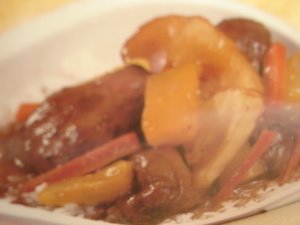
Chicken Liver Hawaiian
Ingredients:
½ kilo chicken liver, cut in half
1 can (439 g) Del Monte Fresh Cut Pineapple Tidbits, drained (reserve syrup)
3 medium saba bananas, sliced and fried
1 medium carrot, cut into strips
1 tbsp. cornstarch, dissolved in 1 tbsp. water
Procedure:
Marinate liver in 1 tbsp. soy sauce, pineapple syrup, ¼ tsp. pepper and ¼ tsp. iodized salt for 30 minutes. Drain and reserve marinade. Fry liver in oil until light brown. Set aside.
Stir-fry carrot in 2 tbsp. margarine until half tender. Add ¾ cup water, 1 tbsp. brown sugar, ¾ tsp. iodized salt (or 1 ½ tsp. rock salt), ¼ tsp. pepper and marinade. Simmer for 10 minutes.
Add fried liver, dissolved cornstarch, banana and Del Monte Fresh Cut Pineapple Tidbits. Continue simmering for 3 minutes.
Thursday, April 20, 2006
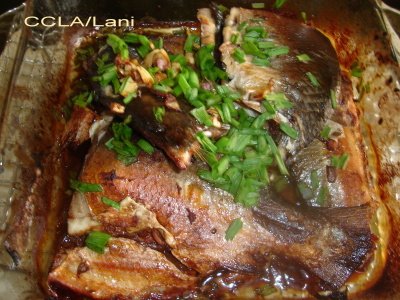
Baked Milkfish in Teriyaki Sauce

We went to my sister-in-law’s house in Paranaque last Sunday. It was her son’s 6th birthday and at the same time, a family get-together. We had Italian-style spaghetti, roasted chicken, fresh vegetable salad, and baked milkfish (bangus) for lunch. We really loved the taste of the baked fish, and from what I learned from my sis-in-law, she used teriyaki sauce for this recipe. She was quite busy at that time that’s why I didn’t have a chance to ask her what some of the ingredients in this recipe are.
Since I bought a big milkfish last Monday (about a kilo/piece), I decided to bake the fish. I will just name my recipe as “Baked Milkfish in Teriyaki Sauce” since I just invented this recipe inspired by my sis-in-law’s version of baked milkfish.


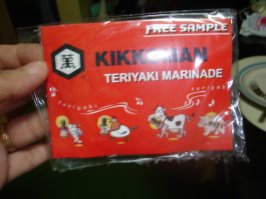
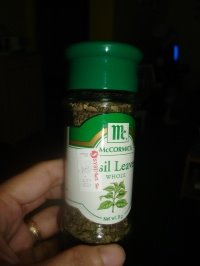
I deboned the milkfish, removed the scales, and cut it into four. I placed it in a square pyrex dish. I added some salt and pepper, crushed garlic, diced onions, basil leaves (the one from McCormick), few drops of sesame oil, and 5 small sachets of teriyaki sauce (this teriyaki sauce I got from an eyeball (EB) I attended last year courtesy of Sysu). I baked it for around 35 minutes at 350˚F. Before serving, I put some onion leeks.
What can I say with my experiment? Well, we loved it so much. It’s really delicious, actually more delicious than my sis-in-law’s version (hehehe, so boastful of me). But I think I will do some justice with this recipe if you will also try to cook it. Enjoy eating!!!